Featured
Table of Contents
Expect what they'll need to know and put it in journalism release upfront. Go easy on the adjectives let them do the editorializing, not you. If the press reporter asks a question you're not prepared to answer, do not phony it. Inform them you wish to ensure you're getting it right and will follow up.
It's obvious that wire service are running on tight margins, with lowered staffing and almost absolutely no fact-checking. The more of their work you can do for them providing easy access to interviewees, online downloadable visuals, fast and dependable fact-checking the more they'll wish to work with you. It's constantly fun to "newsjack" by connecting your story to the existing cycle (LCI has an excellent example connecting National Nurse Week to a royal birth).
If all the press reporters in your sector are covering a significant top conference, don't attempt to pitch them anything else that week. Elections, sports occasions, industry conferences and even major holidays might be something to avoid, unless you can cleverly find a method to newsjack them. Producing and preserving successful media relations can be challenging, even for large services.
Forbes Management Council Cultivating Media Relationships: It's a ProcessDexterity PR The present state of PR & media relationships 7 methods to create better ones Media Relations: Whatever You Required to Know.
We've stated it previously, and we'll say it again, there is no one-size-fits-all technique when it comes to your media relations campaigns. Each journalist is distinct and has particular requirements and requirements.
Proactive Risk Mitigation for Regional Corporate BrandsHow to Evaluate PR Impact in 2025
This is a technique we have actually executed within our and one Eliza Bianco also restates. She advises asking yourself to develop your story. Here are a few she suggests to think about asking yourself: is this story about? and is it occurring? is taking place? is it valuable for individuals to learn about it? An easy practice for making certain you have each of these components within your pitch is to compose them down and fill out the blanks.
The next step is to determine the best reporters who would cover your news. This is one of the most difficult parts of media relations and one of the primary factors we created OnePitch for public relations specialists. Our special classification system assists you focus on your pitch and permits us to find the ideal journalists based upon the keywords and context of your news.
You'll get insight into the types of sources and brands they cover however also how the reporter provides them from the publications' point of view. It's also essential to know who the journalist is and info about their individual self aside from their professional work. Understanding their location can help notify you WHEN to pitch them.
How to Measure SEO Success in 2025
Another point we made in the post, be relationship-oriented. Believe about the various methods you can benefit a journalist with information and resources. A lot of times media relations can appear transactional and hardly ever does that develop a foundation for a long-term relationship. Ensure to have whatever prepared ahead of time for a journalist.
images, quotes, links, etc) as well as have times readily available for executives you're pitching for an interview chance, as an example. Lot of times reporters are working on rigorous due dates and don't have a lot of time to wait for the info you're attempting to share. By being prepared ahead of time, this makes sure the journalists aren't stuck waiting on you and increases your possibilities of getting an article put.
That's roughly 37,500 specific profiles. And believe me, when I state, you required to be using Twitter to get in touch with journalists. You can utilize internal tools like Twitter lists to curate feeds based on a specific beat or industry, for instance, and even follow lists that others have actually created. Intros are a fantastic way to start the ball rolling with a journalist.
Optimizing Your Brand Strategy for 2026
Present yourself, let them understand about your brand, and ask how you can be a resource. Utilize this as a stepping stone to construct a relationship and pitch them when you have valuable news to share. Be conscious of the information you're sharing and make sure it's appropriate. This is one of the most difficult techniques to master and it takes time to know how to present it, to whom, and when you need to share it.
Search for things like the audience type (B2B or B2C) along with what the topic includes. Hardly ever, do journalists write the very same short article more than as soon as however this can give you a concept of what they covered and why your company should have to have an article composed about them.
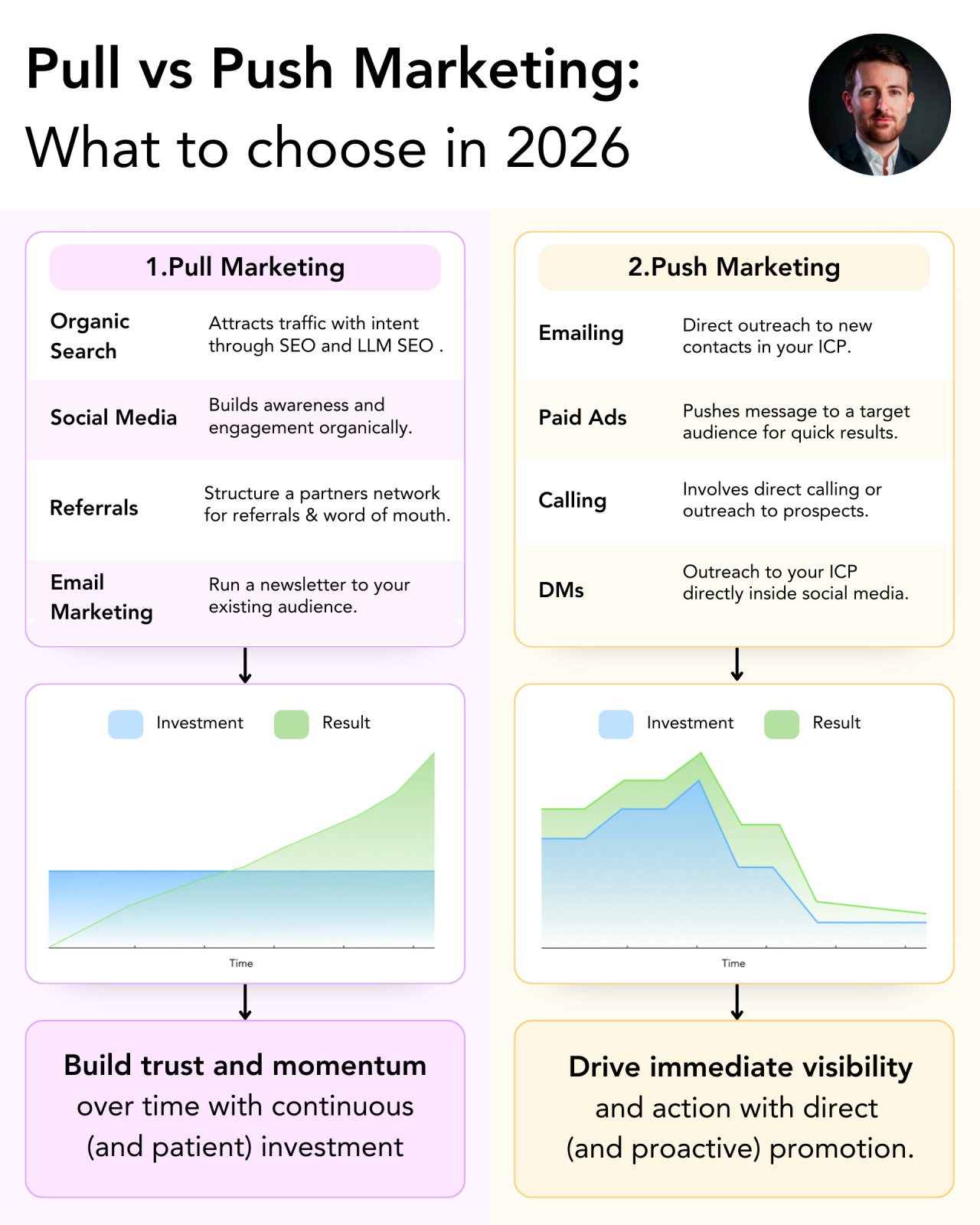
According to, "Consumers are tuning out ads, both actually and psychologically, and rather consuming material that is relevant to them and narrates." The need not only to produce material however also to market it is ending up being more competitive and the focus is gradually shifting from pay-to-play to made media.
A piece of advice shared by media relations expert, Michael Smart, is the 80/20 concept. This means to focus your 80% of your time and attention on the leading 20% of your media list. This technique impacts lots of other fields and departments within a company and has shown to gather outcomes for those who implement this effectively.
Key Benefits of Integrated Marketing for B2B
It stands for paid media, earned media, shared media, and owned media. By integrating these, Gini states, "When you incorporate the four media types, you may discover you also have influencer engagement, collaborations, and reward programs that extend beyond your internal walls." Gini advises starting with owned media and developing your method from there.
___ No matter what, make sure you provide important details each time you call a journalist. Be a resource for reporters by knowing your story, understanding who they are and what they discuss, and by being prepared. Whether you're simply starting out in media relations or a skilled veteran, all of the techniques we've detailed in will assist assist you from start to complete.
Submit the form listed below to sign up for our newsletter and receive e-mails with the leading blog sites from The TypeBar!.
A media relations strategy need to be a part of any strong public relations and marketing project. Media relations is everything about creating and developing relationships with journalists and media outlets. These relationships use a mutual benefit between both media organisations and organizations who wish to utilize them. Companies utilize media relations to create media protection that will have a positive impact on their brand.

Latest Posts
Maximising Visibility Through AEO and GEO Methods
How Modern PR Is Changing for Success
Successful Media Relations Tactics to Gain Exposure